Galamsey has contaminated the Pra, Ankobra, and Birim rivers with mercury and heavy metals. We examine the evidence, the human cost, and what GAIN is doing to advocate for clean water in Ghana.
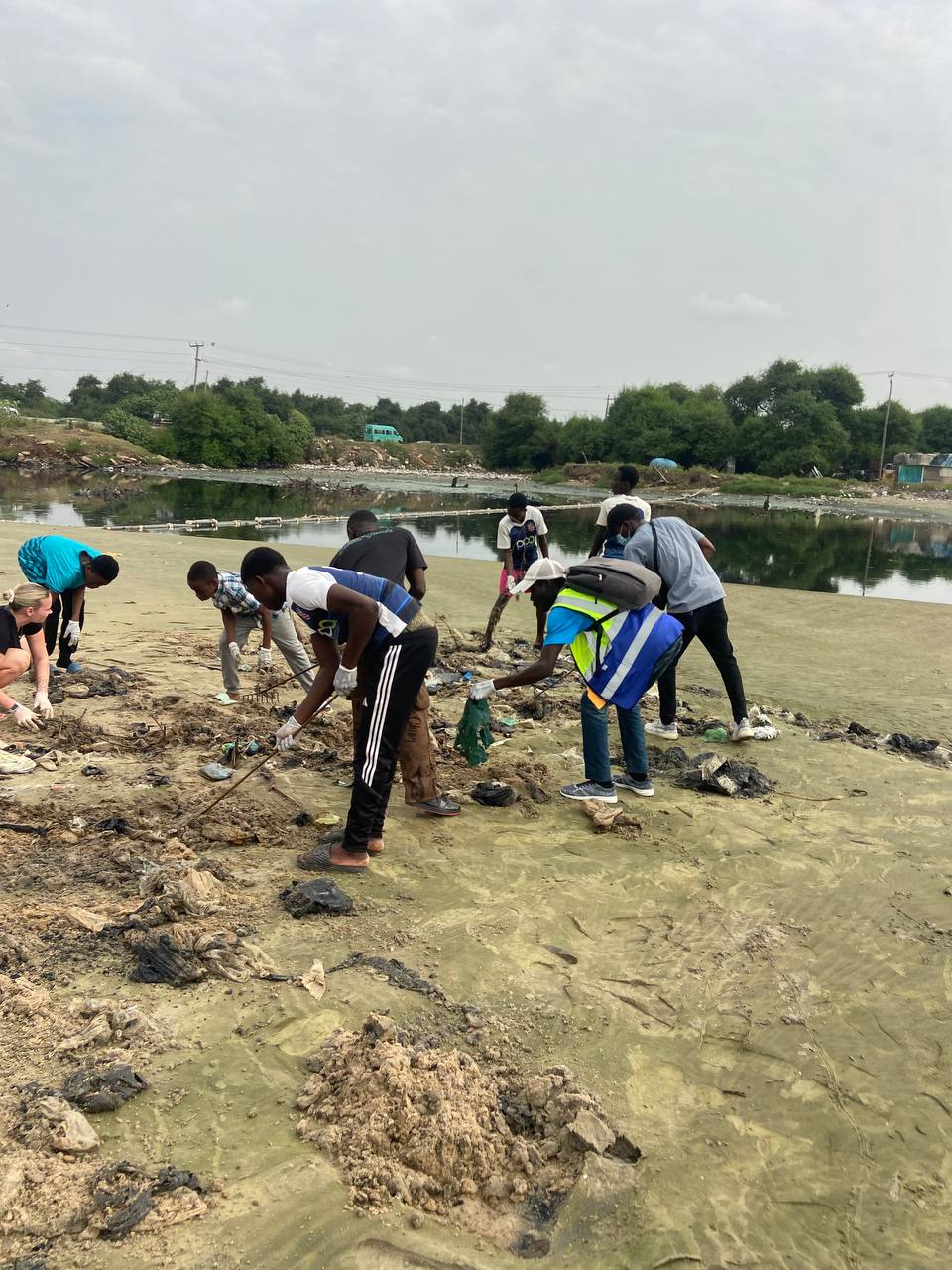
The waters of the Pra River once ran clear enough to see fish swimming beneath the surface. Today, large stretches of the river run a murky brown, contaminated with sediment, mercury, and heavy metals from illegal artisanal gold mining, known locally as galamsey. The story is the same for the Ankobra, Birim, and Offin rivers, which together supply drinking water to millions of Ghanaians.
The Scale of the Crisis
Galamsey is not a new phenomenon, but it has intensified dramatically since the early 2010s. A study by the University of Ghana's Department of Earth Science used satellite imagery to map illegal mining sites and found that between 2014 and 2022, the area affected by galamsey expanded by over 340% in the Western and Central regions (University of Ghana, 2023). The Ghana Chamber of Mines estimates that illegal mining now accounts for approximately 35% of Ghana's total gold output, but at a devastating environmental cost (Ghana Chamber of Mines, 2024).
The most immediate impact is on water quality. The Ghana Water Company Limited (GWCL) has reported that turbidity levels in the Pra River at Daboase, where water is extracted for treatment, have increased by over 300% since 2015, forcing the company to increase chemical treatment costs by more than 200% (GWCL, 2023). In some areas, the company has been forced to shut down treatment plants entirely during the peak mining season.
The Mercury Problem
Mercury is the hidden killer in galamsey. Artisanal miners use liquid mercury to bind gold particles, then burn the mixture to vaporize the mercury and leave the gold behind. The process releases mercury vapor into the air and discharges mercury-laden wastewater into rivers.
A study published in the journal Environmental Pollution tested water samples from the Ankobra River and found mercury concentrations of 1.8 to 3.2 micrograms per litre, more than 18 times the World Health Organization's guideline of 0.1 micrograms per litre for drinking water (Environmental Pollution, 2022). The researchers also tested fish from the river and found methylmercury levels exceeding 0.5 mg per kilogram, the maximum limit set by the Codex Alimentarius Commission.
Mercury is a potent neurotoxin. Long-term exposure, even at low levels, can cause tremors, memory loss, cognitive impairment, and kidney damage. Pregnant women and children are particularly vulnerable. Mercury crosses the placenta and can cause irreversible neurological damage to the developing fetus, leading to lower IQ, motor skill deficits, and behavioral problems (World Health Organization, 2021).
The Human Cost
The environmental data tells only part of the story. Behind every polluted river is a community that has lost its source of clean drinking water, its fishing livelihood, and its farmland. In communities like Dumasi and Teleku Bokazo in the Western Region, residents report skin rashes, respiratory problems, and miscarriages they attribute to contaminated water (Wassa Association of Communities Affected by Mining, 2023).
Young people are drawn to galamsey by the promise of quick money. But the work is dangerous. Mine collapses, mercury poisoning, and exposure to cyanide used in some illegal operations claim lives every year. A report by the Integrated Social Development Centre (ISODEC) documented 312 mining-related deaths in Ghana between 2019 and 2023, though the true number is believed to be much higher due to underreporting (ISODEC, 2024).
What GAIN Is Doing
GAIN's approach to the galamsey crisis is rooted in advocacy, education, and community empowerment. We do not believe that condemnation alone is enough. The young people who engage in galamsey need alternatives, and the communities affected need a voice.
Our work includes:
-
Community awareness campaigns. We visit communities in mining-affected areas to educate residents about the health risks of mercury exposure, the long-term consequences of river pollution, and their rights under Ghanaian environmental law. In 2024, we conducted 18 community sensitization sessions reaching over 3,000 people.
-
Youth skills diversion. We offer green skills training to young people in mining communities, teaching sustainable agriculture, beekeeping, and recycling crafts as alternative livelihoods. Our goal is not just to stop galamsey but to replace it with something better.
-
Policy advocacy. We work with the Environmental Protection Agency, the Ministry of Lands and Natural Resources, and parliamentary committees to advocate for stronger enforcement of mining regulations, expanded mercury-free mining technologies, and community compensation for environmental damage.
-
Water monitoring. We partner with universities to train community members in basic water quality testing, empowering them to document pollution and hold miners and regulators accountable.
What You Can Do
The galamsey crisis can feel overwhelming, but there are concrete actions you can take. Demand that your representatives prioritize enforcement of mining laws. Support organizations working on the ground. If you live in a mining area, get your water tested and share the results. And if you are a young person considering galamsey, know that the money is short-term but the damage, to your health, your community, and your children, is permanent.
Ghana's rivers belong to all of us. It is our collective responsibility to protect them.
References:
- Environmental Pollution. (2022). Mercury contamination in the Ankobra River basin, Ghana. Vol. 292, pp. 118-131.
- Ghana Chamber of Mines. (2024). Annual Report 2023: Artisanal and Small-Scale Mining. Accra: Ghana Chamber of Mines.
- Ghana Water Company Limited. (2023). Water Quality Monitoring Report: Pra River Basin. Accra: GWCL.
- Integrated Social Development Centre (ISODEC). (2024). Mining-Related Deaths in Ghana 2019-2023. Accra: ISODEC.
- University of Ghana, Department of Earth Science. (2023). Satellite-Based Mapping of Illegal Mining in Ghana. Legon: University of Ghana.
- Wassa Association of Communities Affected by Mining (WACAM). (2023). Community Impact Assessment Report. Tarkwa: WACAM.
- World Health Organization. (2021). Mercury and Health Fact Sheet. Geneva: WHO.
Share this post: